 Engineering 3D Modelling for Mechanical, Structural, Civil and Coordination Projects.
3D modelling helps engineering projects move beyond concepts by creating detailed, coordinated and practical representations before fabrication or construction begins. At Ingenia, we use industry-standard 3D CAD platforms and BIM workflows to develop models that support design development, stakeholder engagement and project delivery.
Our capability spans mechanical design modelling using Autodesk Inventor, along with structural and civil BIM modelling through Revit, allowing projects to be developed within a coordinated environment from the outset.
From individual equipment upgrades and custom machinery through to multidisciplinary infrastructure and industrial projects, our models help identify issues early, improve collaboration and support more efficient project outcomes.
By integrating engineering expertise with practical modelling capability, we provide designs and coordinated models that support informed decision-making throughout the project lifecycle.
Our 3D Modelling Capability
Ingenia provides 3D modelling services across a range of project types and disciplines.
Mechanical Design Modelling
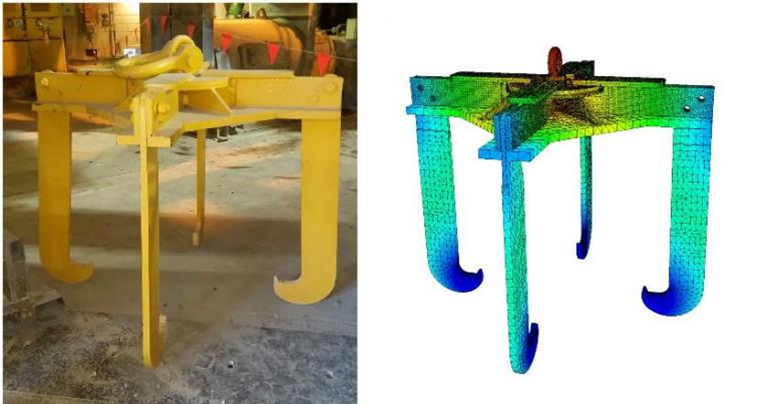
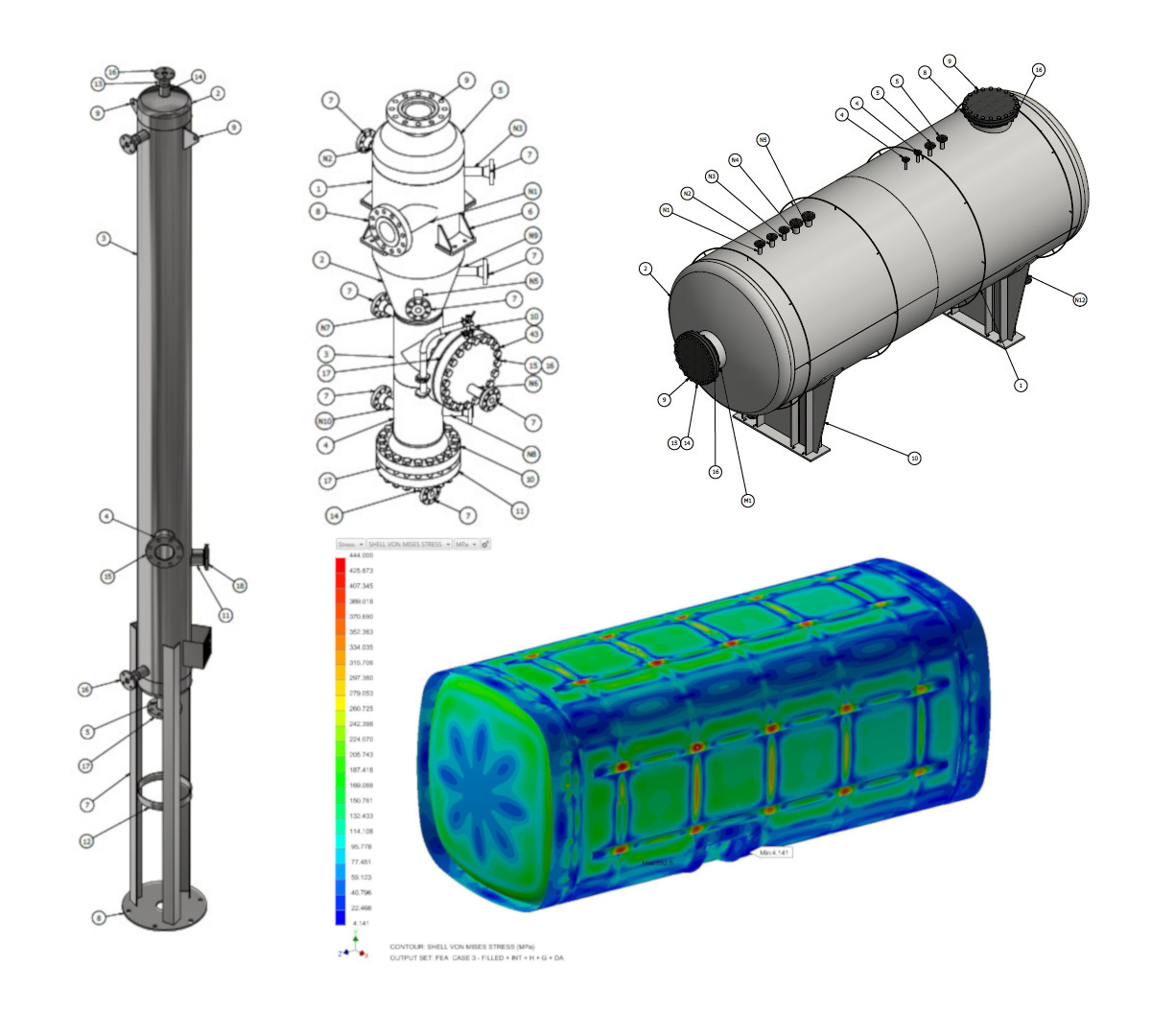
Using Autodesk Inventor, we develop detailed mechanical models for: custom machinery material handling systems pressure vessels process equipment manufacturing systems mechanical upgrades These models support design development, fabrication documentation and design reviews.
Structural and Civil BIM Modelling
Using Revit and BIM workflows, we develop structural and civil models for industrial facilities, infrastructure and project environments. Our models support design development, project coordination and planning while helping identify design issues early.
Coordination Models
Engineering projects often involve multiple disciplines operating within constrained environments. We develop coordinated and federated models that bring together structural, civil, mechanical and process information into a shared project environment.
This helps identify clashes and coordination issues before construction or installation begins. Process and Piping Modelling For projects involving process systems and plant layouts, we develop 3D routing and equipment arrangements that improve constructability and operational access.
Benefits of 3D Modelling
3D modelling provides more than visualisation. It creates opportunities to improve coordination, identify issues earlier and support better project outcomes throughout design, construction and operation.
- Clash Detection: Identify physical interferences between structures, equipment, piping and services before fabrication or construction begins. Early clash detection reduces rework, minimises site modifications and improves project coordination.
- Increased Design Accuracy and Constructability Reviews: 3D models provide greater visibility of complex layouts and interfaces, allowing teams to review constructability and identify design issues that may not be apparent in traditional 2D drawings.
- Advanced Review and Coordination Tools: Using platforms including Autodesk Construction Cloud (ACC), Navisworks and Virtual Reality environments, project teams can review models collaboratively, identify clashes and track issues through structured workflows. This creates a more efficient review process and provides clear accountability for issue resolution across project teams.
- Digital Twin Capability: 3D models can continue providing value beyond project delivery by supporting digital asset information throughout the life of the facility. Digital models can be used for future upgrades, maintenance planning, operational reviews and asset management activities, creating a long-term reference for the asset lifecycle.
Industries We Support:
Ingenia provides 3D modelling and BIM solutions across a wide range of industries, supporting projects from concept development through to fabrication, construction and ongoing asset management. We regularly support:
- Manufacturing and Processing: 3D modelling for machinery, plant layouts, process upgrades and operational improvements.
- Mining and Resources: Modelling and coordination for materials handling systems, processing infrastructure and heavy industrial environments.
- Food and Beverage: Facility upgrades, processing systems and hygienic design environments requiring detailed coordination.
- Infrastructure and Major Projects: Multidisciplinary BIM modelling and coordination support for large-scale projects involving multiple stakeholders and disciplines. Industrial Facilities Structural, civil and mechanical modelling for brownfield upgrades, new installations and operational improvements. Defence and Government Secure and standards-driven project environments requiring detailed documentation and coordination
- Materials Handling: Modelling of conveyors, transfer systems, bulk handling equipment and supporting infrastructure.
The Ingenia Process
We follow a structured modelling process designed to improve accuracy, reduce uncertainty and create practical project outcomes. From existing site capture through to final documentation, our process helps ensure models reflect real-world conditions and support decision-making throughout the project lifecycle.
Site Capture and Existing Conditions
Many industrial and brownfield facilities have limited, outdated or incomplete documentation. In some cases, drawings may no longer reflect what exists on site — or may not exist at all. Where required, Ingenia uses terrestrial laser scanning, UAV capture and site measurements to collect accurate real-world information.
These technologies generate highly detailed point cloud data that captures existing plant conditions and dimensions. Capturing existing conditions early improves model accuracy and reduces assumptions during design development.
Existing Condition and As-Built Modelling
Captured site information can be converted into detailed 3D models representing current site conditions. These models can be used to develop existing-condition layouts, support future upgrades and create as-built documentation for facilities where reliable drawings may not exist. Having accurate digital records can provide long-term value throughout the asset lifecycle.
Concept Development and Design Modelling
Using captured data and project requirements, our team develops concept models and engineering layouts that communicate design intent and assess project options. This stage allows early identification of design challenges before detailed development begins.
Design Review and Coordination
Models are reviewed collaboratively using coordination platforms and visualisation tools including Autodesk Construction Cloud (ACC), Navisworks and other review environments. This process assists with constructability reviews, clash detection and issue tracking across disciplines.
Detailed Modelling and Documentation
As projects progress, models are refined into coordinated engineering deliverables and detailed documentation packages. Ongoing Lifecycle Support 3D models can continue providing value beyond project delivery. Accurate digital models support future modifications, maintenance planning, operational reviews and asset management activities throughout the life of the asset.
FAQ’s (Frequently Asked Questions)
How do I review the 3D model?
We provide multiple options for reviewing 3D models, including Autodesk Construction Cloud (ACC), PDFs, web-based viewers and Navisworks coordination models. These platforms allow project teams to navigate the model, review layouts, identify clashes and collaborate effectively throughout design and delivery.
What is delivered at the end of a project?
Deliverables are tailored to your project requirements and can include 3D models, coordinated layouts, PDFs, Navisworks models, documentation including detailed drawings, and supporting project information. Where required, we can also provide existing-condition or as-built models to support future upgrades and ongoing asset management.
Do you handle large-scale layouts and small mechanical components?
Yes. Our team supports projects ranging from individual mechanical components and equipment upgrades through to large-scale industrial facilities and multidisciplinary coordination models. Whether you require detailed mechanical modelling in Autodesk Inventor, structural and civil BIM models in Revit, or coordinated models across multiple disciplines, we tailor our approach to suit your project requirements.